Tag: animals
-
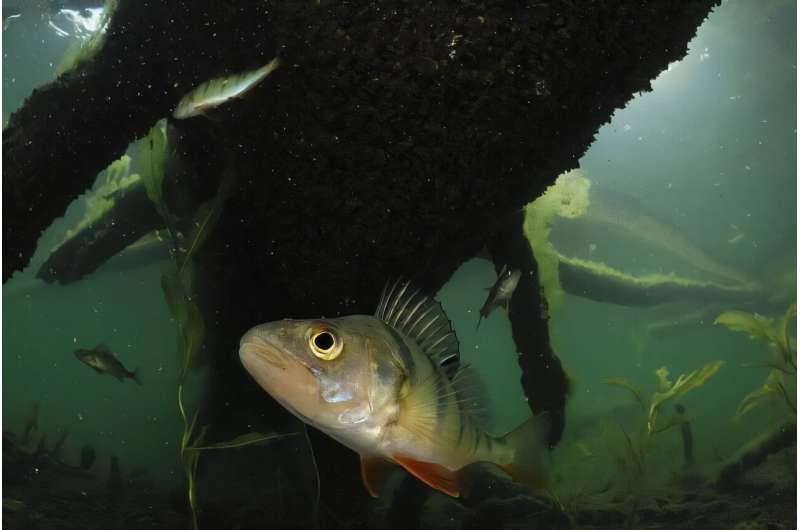
Fish behavior is part of the conservation picture, researchers argue
Fishing, pollution and habitat changes can affect how fish move, feed and reproduce. Researchers say conservation should account for variation in behavior, not just species numbers.
-
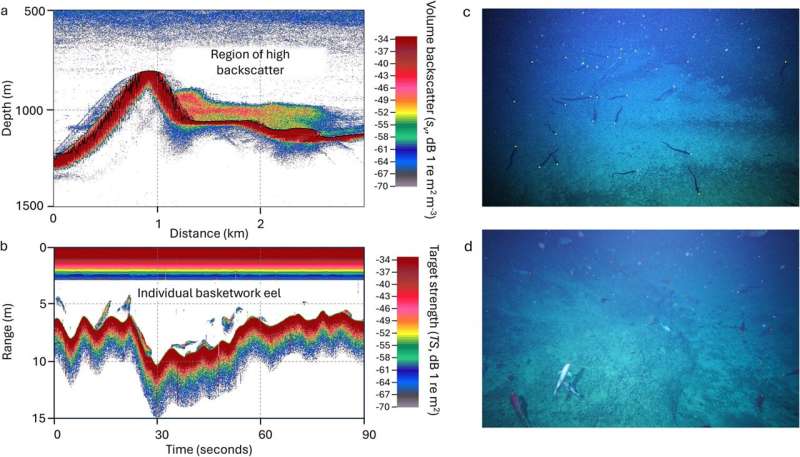
More than 2 million eels counted at an underwater mountain off Tasmania
A huge annual gathering of basketwork eels at Patience Seamount has been quantified for the first time, although scientists still do not know exactly why the animals assemble there.
-
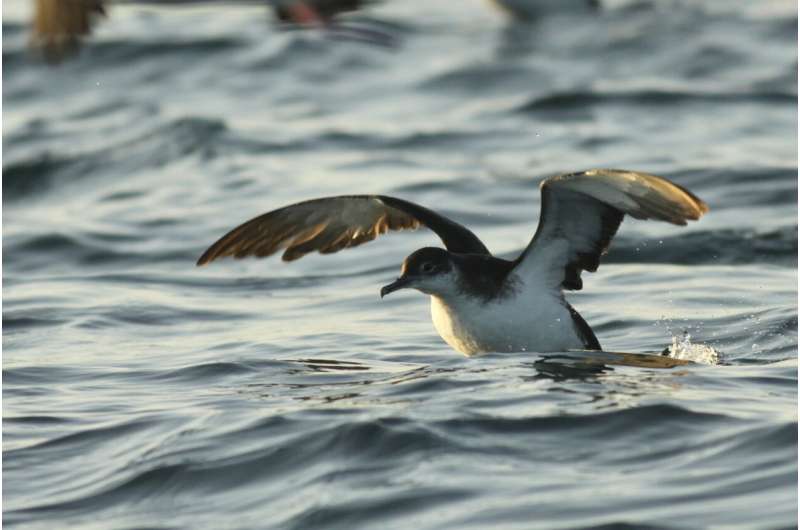
Long-distance flights may leave seabirds navigating by the sun at the wrong time
A study led by Oxford University reports that long-distance Atlantic flights can desynchronise seabirds’ internal clocks, affecting how they navigate using the sun.
-
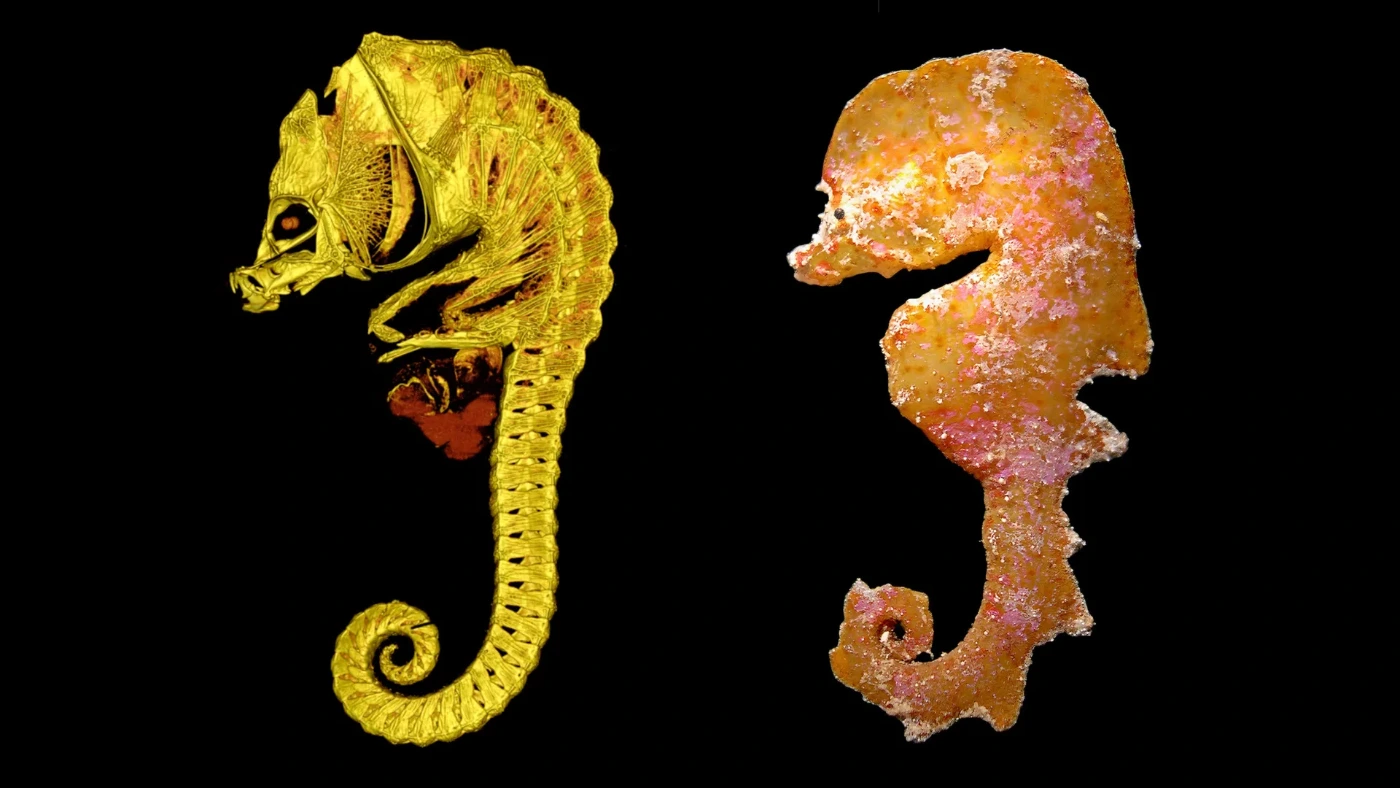
‘Sea Muppets’: Scientists Uncover Three Seahorse Lookalikes From a Separate Evolutionary Branch
Three little-known deep-sea fish from southern Australia have been identified as a distinct evolutionary group, revealing that the distinctive seahorse body shape evolved independently more than once.
-
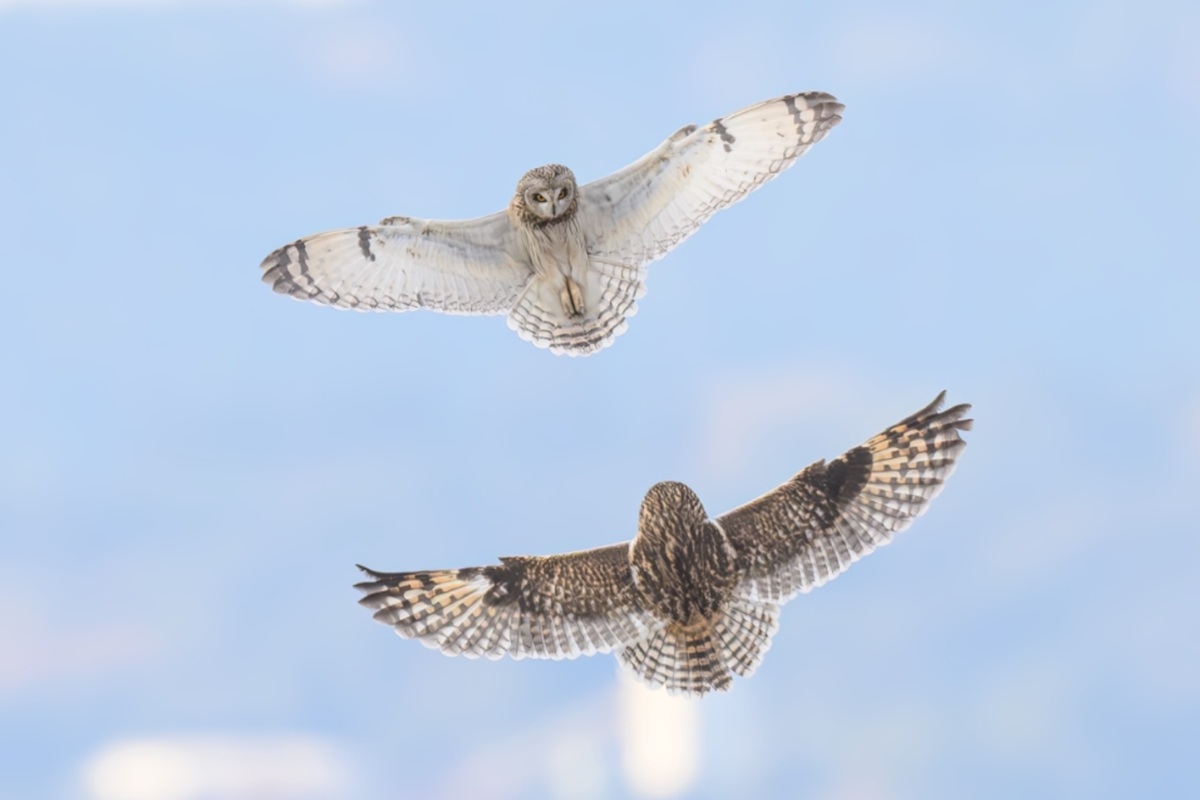
Birdwatching May Help Keep the Brain Younger, Scientists Find
Perhaps one of the most accessible ways to exercise your brain is simply to look up and pay attention to the birds around you.
-
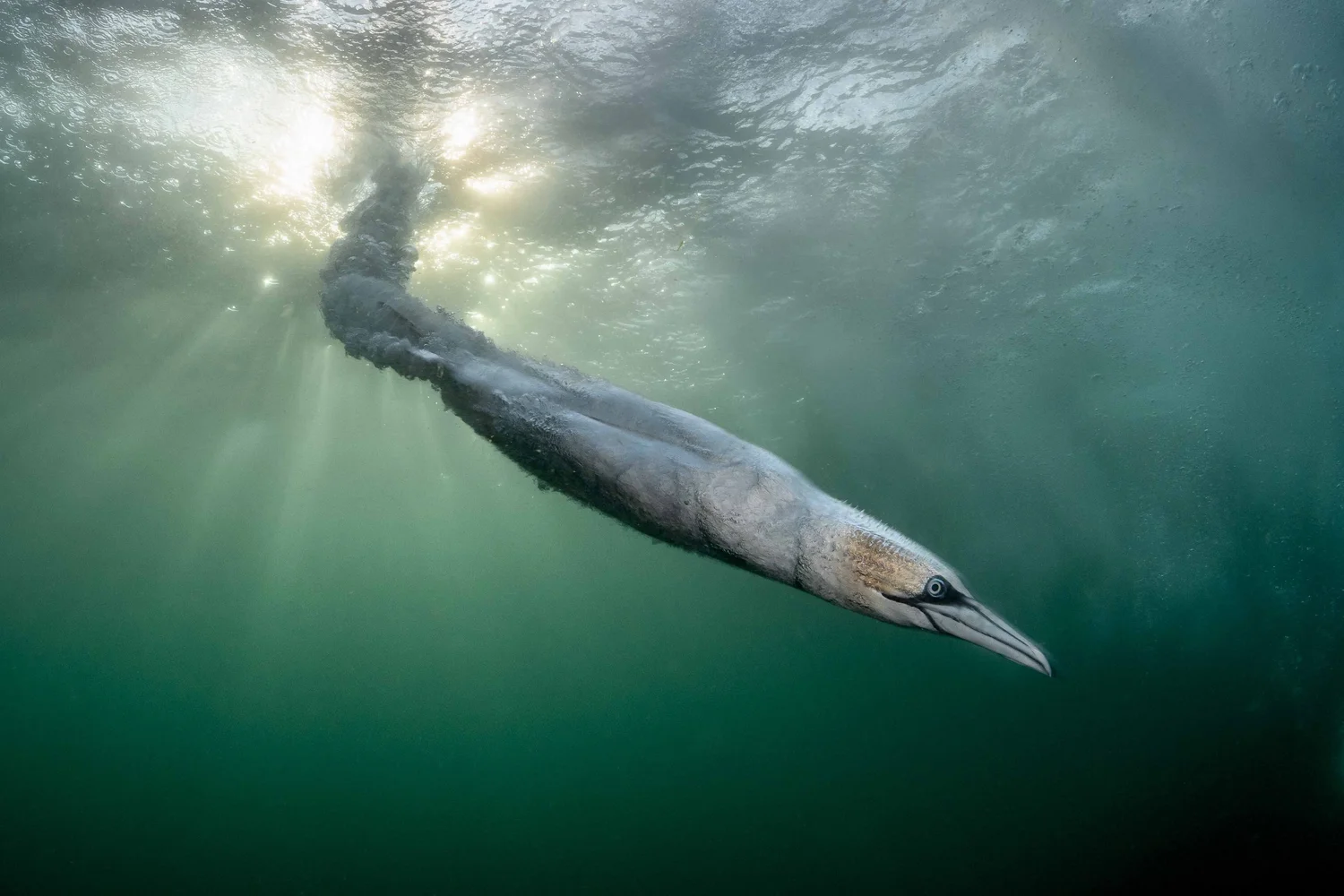
Winners of the Bird Photographer of the Year 2026
More than 24,000 images were entered in this year’s competition.
-
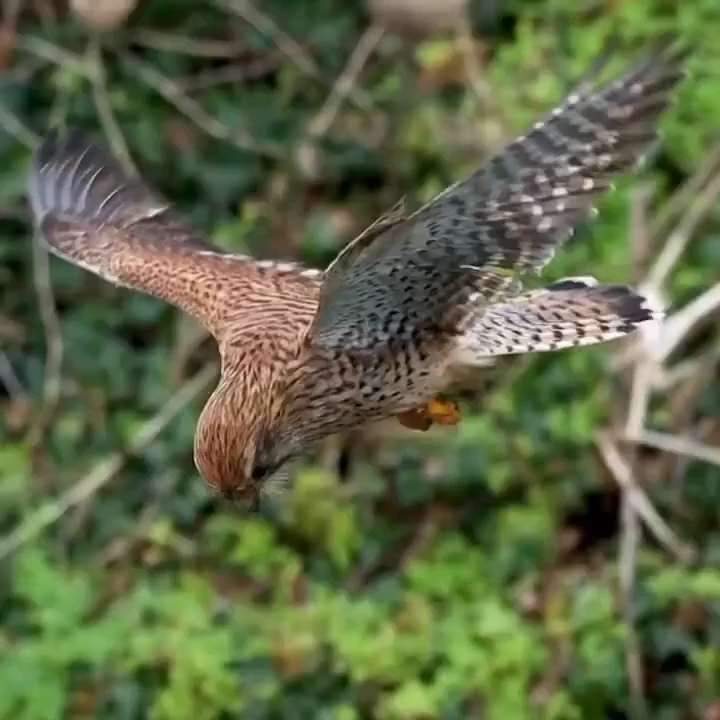
A Kestrel Hovering in Mid-Air
This amazing video shows a kestrel hovering in mid-air while keeping its head perfectly still. Because of this remarkable ability, the kestrel is sometimes known in English as a windhover. The bird turns directly into the wind, rapidly beats its wings, and spreads its tail into a broad fan. Meanwhile, its head remains almost completely…
-
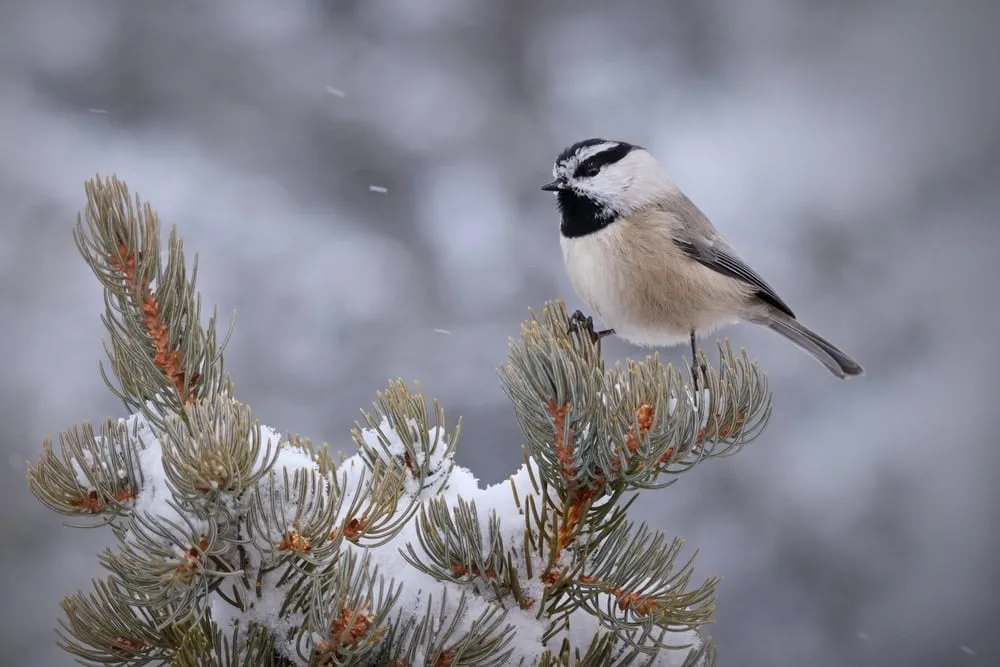
Male chickadees with better spatial memory father more offspring outside their social pair
A new study of wild mountain chickadees suggests that cognitive ability may influence not only survival, but also reproductive success. Mountain chickadees are small, socially monogamous birds that live year-round in the mountains of western North America. During autumn and winter, they hide thousands of food items across their territories and later rely on spatial…
-
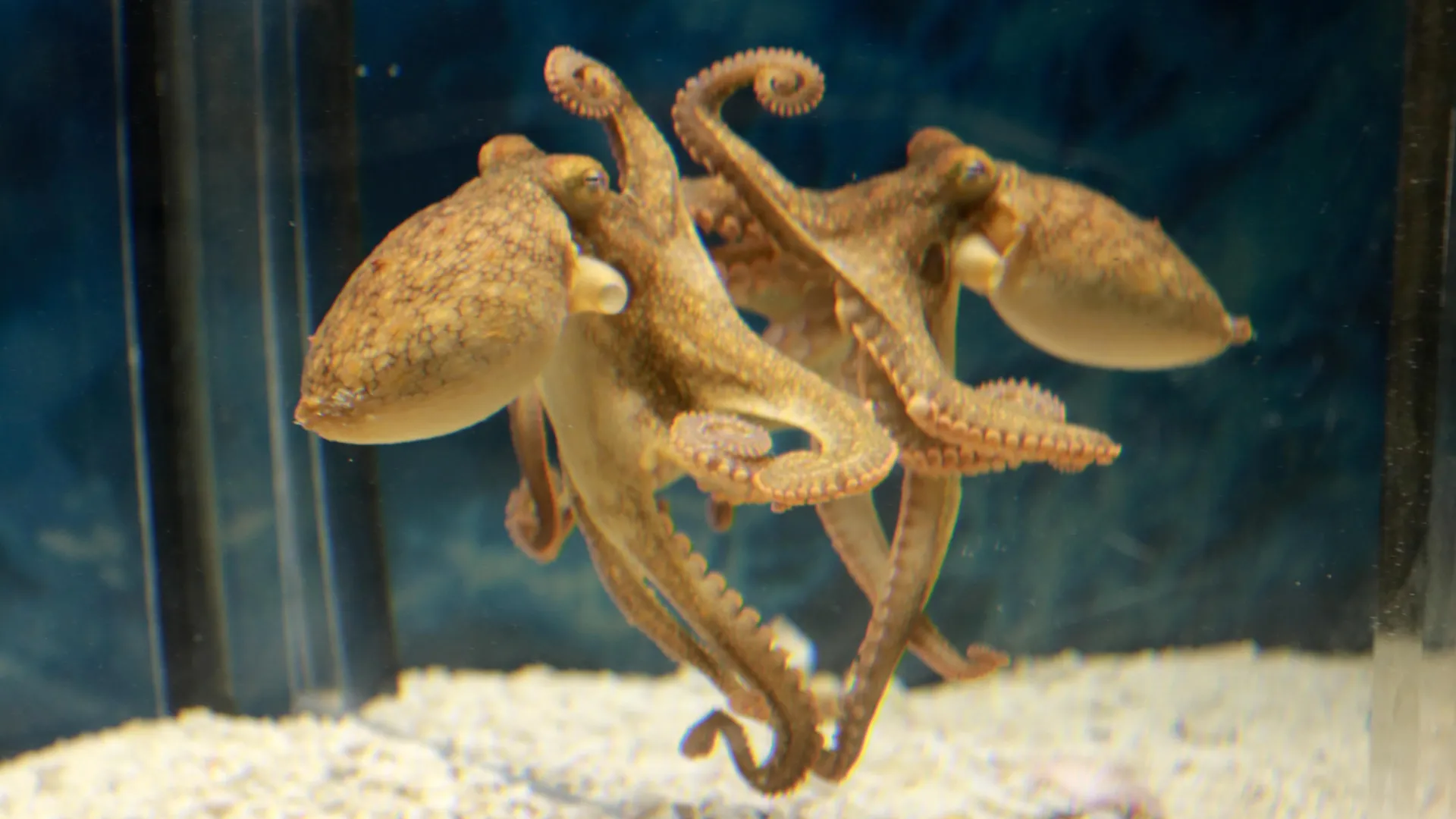
Octopuses use mirrors to find food they cannot see
Even so, the study adds another remarkable ability to the growing list of traits that make octopuses some of the most fascinating and intelligent animals in the ocean.
-
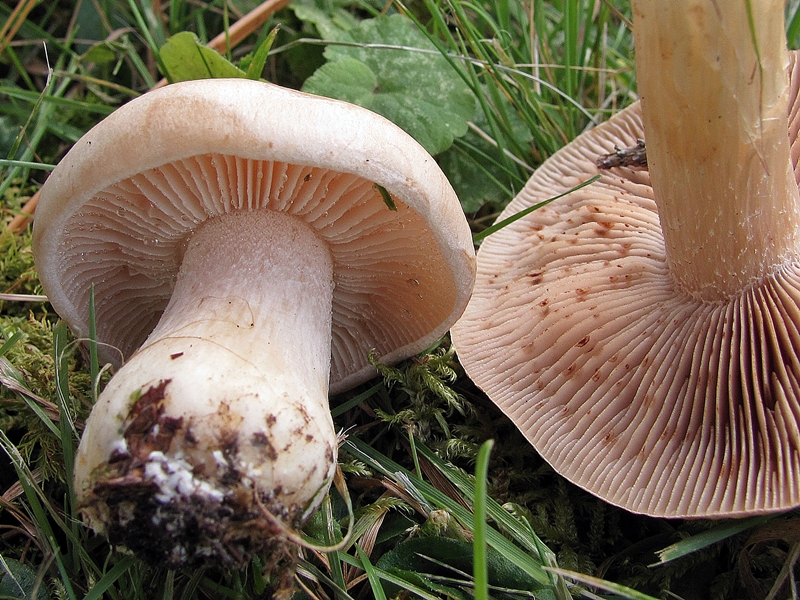
Mushrooms can exchange information
In a natural environment, fungi form dynamic communication networks and react quickly to the local appearance of resources.