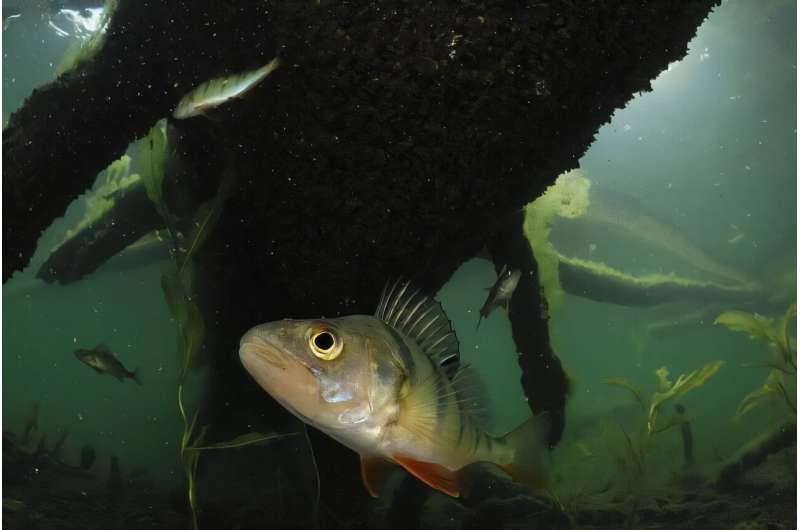
Human activities can reshape how fish move, feed and respond to danger, potentially changing the mix of behaviors within populations. Two review articles argue that conservation and fisheries management should take that behavioral diversity into account.
Fish within the same species do not necessarily act alike. Some individuals are bolder or more active than others, and populations can differ in migration, feeding and spawning. Such variation reflects a combination of genes, an animal’s condition and its surroundings. The reviews describe how fishing, habitat changes, barriers to migration, pollution, artificial light, invasive species and climate-related shifts may influence these behaviors.
When behavior changes, populations can change too
Fishing can favor some behavioral types over others. The source reports that recreational fishing has tended to remove bolder, more active carp and pike. Where fishing pressure is high, shyer fish may have an advantage and become more common over generations. That shift could affect where fish are found and how they interact with predators, prey and competitors.
Other examples come from pollution and infrastructure. Research summarized in the source found that pharmaceutical contaminants were associated with changes in activity among fish, while fish passage systems at dams may favor swimming abilities such as sprinting. These examples illustrate potential effects; the two review articles synthesize existing work rather than report a single new experiment testing all these causes.
Behavioral variety can also help populations cope with change. Pacific salmon populations in different rivers may migrate different distances and spawn at different times. If conditions undermine reproduction in one river, neighboring populations may help sustain regional fishery yields. Conversely, the source describes how selective fishing depleted a sedentary coastal cod population in Iceland, affecting the fishery that depended on it.
Management beyond head counts
The researchers recommend protecting behavioral diversity alongside other aspects of biodiversity. Suggested approaches include harvest rules that spare both small and very large fish, spreading fishing pressure across locations and maintaining varied habitats. In aquaculture, providing diverse conditions may help fish develop a wider range of behaviors, potentially aiding survival if released into the wild.
Measuring behavioral diversity is difficult because behavior changes over time. The authors point to biotelemetry as one tool that could help track fish in the wild and inform management decisions.
Source: Original report.