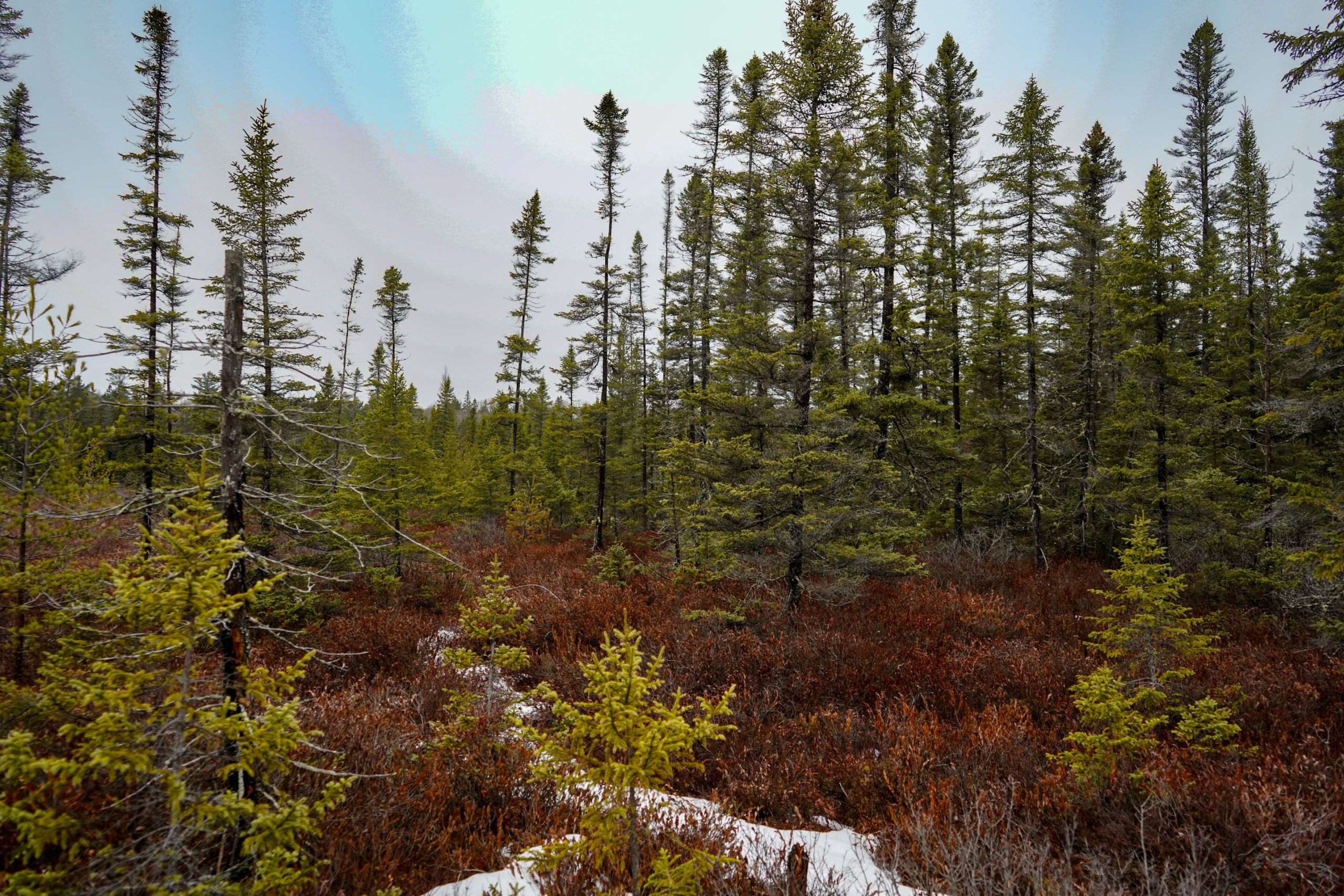
Vegetation across Northern Hemisphere permafrost regions became broadly less resilient from around 2008, even as greening continued, an international study reports. The finding highlights that greener-looking landscapes do not necessarily indicate that plants are better able to withstand or recover from stress.
The study was jointly led by researchers from the University of Hong Kong’s Department of Geography and Institute for Climate and Carbon Neutrality. The supplied summary describes a widespread reversal in vegetation resilience around 2008, but does not give the study’s methods, the size of the measured change or the precise areas affected.
Greening and resilience are different signals
Greening describes an increase in vegetation growth or cover, while resilience concerns how vegetation responds to disturbance and whether it can recover. These measures can move in different directions: an increase in greenness alone does not establish that plants are more stable or better able to bounce back.
That distinction matters in permafrost regions, where environmental conditions can change as frozen ground warms. The reported pattern suggests that tracking greenness by itself may give an incomplete picture of ecosystem condition. It does not, on its own, show what caused resilience to decline or establish that the greening caused the decline.
What the finding does—and does not—show
The result is presented as a broad regional trend, not a claim that every permafrost landscape or plant community followed the same path. The summary also does not specify how resilience was measured, what data were used, or whether the trend continued beyond the period studied. Those details are important for judging how the result applies to particular places and for distinguishing a measured association from an explanation of its causes.
For now, the central message is a caution about relying on one indicator: vegetation can appear to be increasing while its capacity to withstand and recover from stress is weakening.
Source: Original report.